Explore Our Services
What We Offer
HCP ELISA Development
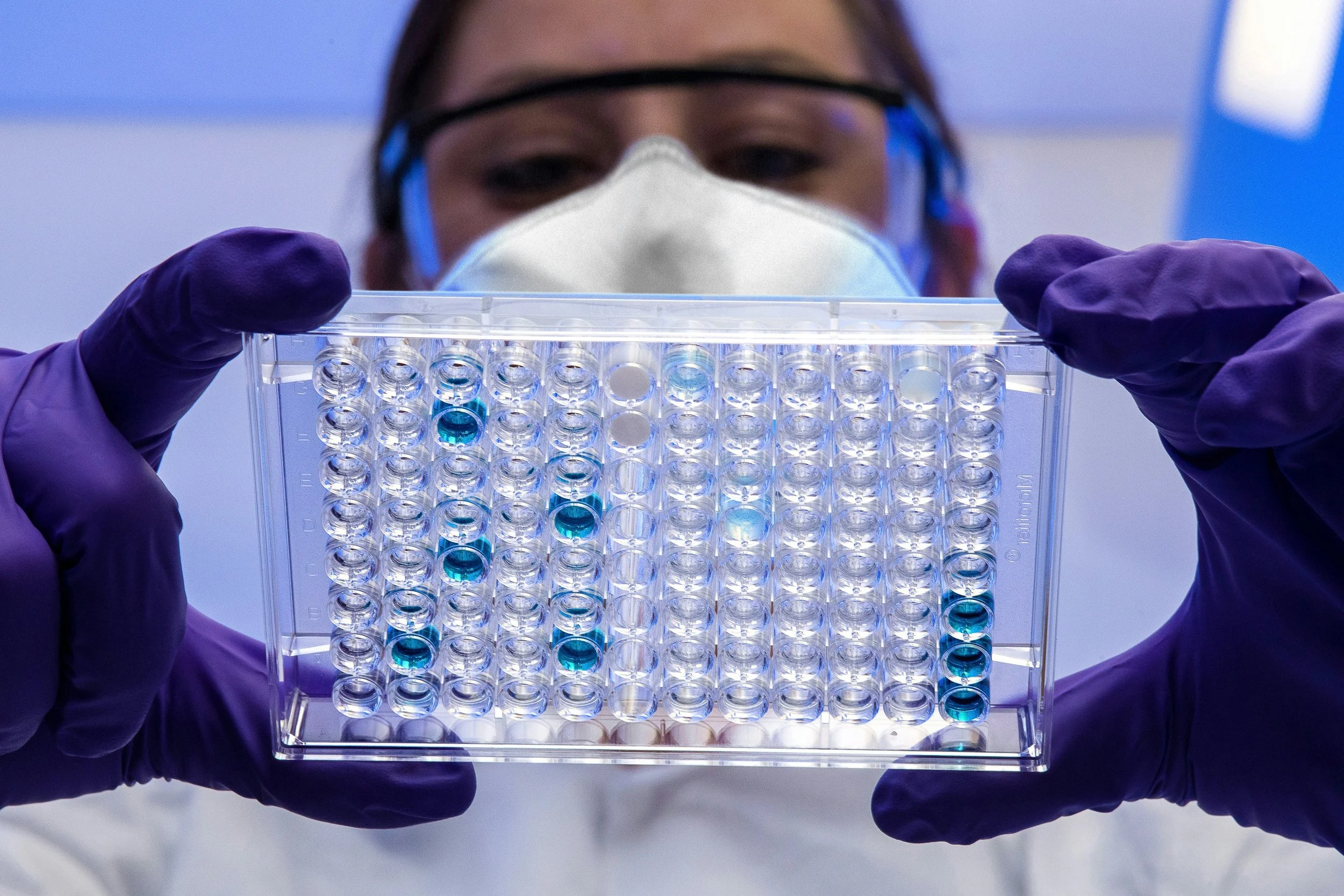
Host Cell Protein ELISA Development
We build HCP ELISAs the way regulators expect them to be built: starting with antigen preparation from your actual production cell line or process-relevant null cell line, followed by polyclonal antibody generation designed for broad antigenic coverage.
We assess coverage using orthogonal methods such as 2D immunoblotting and antibody affinity characterization, and we optimize immunization and antibody selection strategies to consistently exceed 90 percent HCP coverage, a benchmark that directly supports comparability and regulatory acceptance.
Individual and Process-Specific Impurity Assays

Specific Impurity ELISAs (Residual Protein A, Insulin, and Others)
A generic HCP assay does not capture every risk in a process. When a single impurity such as residual Protein A from affinity chromatography, residual insulin from cell culture media, or another process or product-specific impurity needs its own quantitative method, we design, optimize, and validate a dedicated ELISA for it.
Enzymatic Activity Assays

Enzymatic Activity Assay Development
Some impurities are better controlled through activity rather than mass.
We develop enzymatic activity assays for residual enzymes and proteases used or generated during manufacturing, giving programs a functional impurity control method alongside or instead of an immunoassay."
Single-Use Kit Development
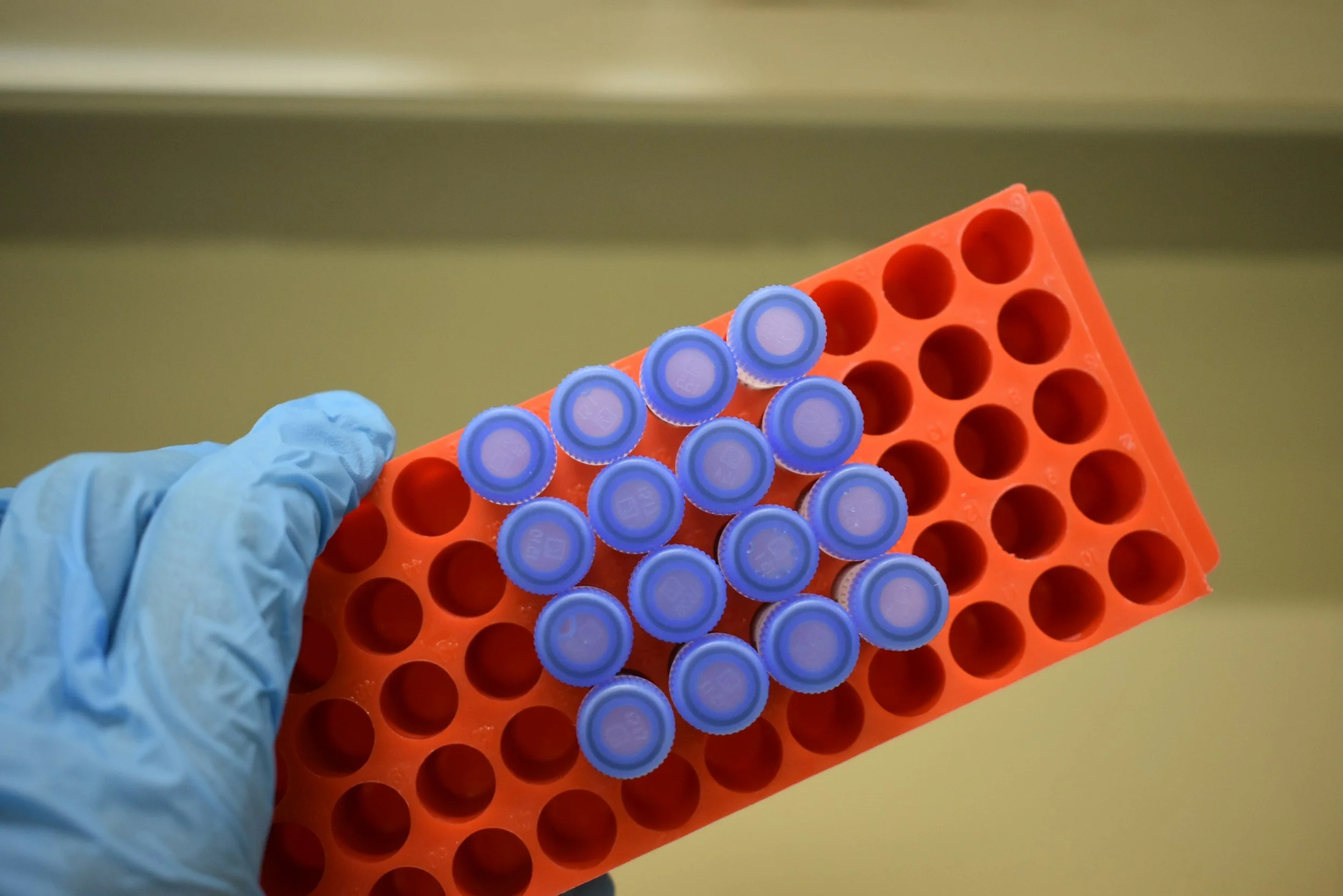
Single-Use Kit Conversion
Once an assay is proven, we convert it into a packaged, single-use kit format, establishing reagent stability, lot-to-lot consistency, and shelf-life data so the method can move from a bench protocol to a distributable product used across your organization or by your partners.
Troubleshooting and Assay Rescue

Assay Troubleshooting and Rescue
When an existing HCP or impurity assay is failing such as non-parallelism between reference standard and sample, poor spike recovery, matrix interference, or drifting standard curves, we perform root-cause investigation and redesign the method to restore performance, without restarting the program from zero.
Tech Transfer

Assay Tech Transfer
We support transfer of validated methods between internal sites, from sponsor to CDMO, or between CDMOs — including transfer protocol design, acceptance criteria setting, comparability testing, and resolution of any performance gaps identified during transfer.
Qualification and Validation

Fit-for-Purpose Qualification, Qualification, and ValidationInitial Consultation
We match the level of assay characterization to the stage of your program. Early-phase programs typically need fit-for-purpose qualification focused on the parameters that matter most at that stage.
Later-stage and commercial programs require full qualification or ICH Q2-aligned validation covering accuracy, precision, specificity, linearity, range, limit of detection and quantitation, and robustness.
Regulatory Strategy and Defense

Regulatory Strategy for Impurity Testing
We help teams build and defend impurity control strategies aligned with ICH Q6B expectations for specifications and test procedures, ICH Q2 validation methodology, and applicable USP and European Pharmacopoeia requirements.
This includes supporting responses to FDA and EMA questions on HCP assay coverage, platform-versus-process-specific assay strategy, and comparability during process or site changes.
Get In Touch
If you're interested in working with us, complete the form with a few details about your project and/or email us at [email protected]
We'll review your message and get back to you within 48 hours.